
Article written by Roger Casadejús Pérez
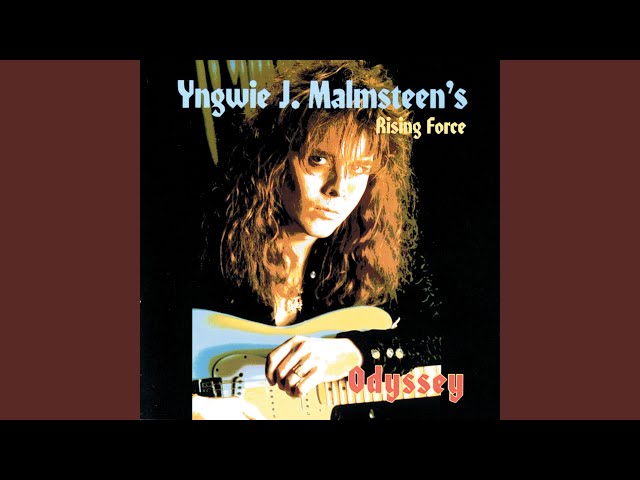
Yngwie Malmsteen: A Brief Overview
Born Lars Johan Yngwie Lannerbäck in Stockholm, Sweden, Yngwie Malmsteen rose to fame in the early 1980s with his virtuosic guitar playing, which seamlessly blended elements of classical music with heavy metal. His debut album, “Rising Force,” released in 1984, was a critical and commercial success, earning a Grammy nomination and establishing Malmsteen as a pioneering force in the genre. Over the years, he has released numerous albums, consistently showcasing his exceptional technical skills and compositional prowess.
The Role of Vocalists in Malmsteen’s Career
Throughout his career, Malmsteen has collaborated with various vocalists, each bringing their own unique style and interpretation to his music. Some of the most notable singers who have worked with him include Jeff Scott Soto, Joe Lynn Turner, and Mark Boals. These collaborations have been instrumental in shaping the sound and success of Malmsteen’s projects, as the combination of his guitar wizardry and powerful vocals has consistently captivated audiences worldwide.
The Dynamics of Collaboration
Collaborating with vocalists can be a double-edged sword for any musician, especially someone with Malmsteen’s stature. While the right vocalist can elevate a project to new heights, creative differences and personal conflicts can sometimes arise. In Malmsteen’s case, the revolving door of vocalists has occasionally been a topic of discussion among fans and critics alike. Understanding the dynamics of these collaborations is essential to comprehending the current controversy.
The Controversy: Malmsteen’s Allegations
Recently, Yngwie Malmsteen has publicly expressed his frustration with some of his former vocalists, accusing them of “trying to capitalize” on his music. This accusation raises several questions about the nature of artistic collaboration and the rights of former band members to perform or reinterpret music they helped create.
The Nature of the Allegations
Malmsteen’s allegations revolve around the idea that his former vocalists are using their association with him to promote their own projects or performances. He claims that by doing so, they are unfairly leveraging his name and reputation to gain attention and financial gain. This situation is not uncommon in the music industry, where the legacies of prominent artists often become intertwined with the careers of those who have worked with them.
Legal and Ethical Considerations
The situation brings to light several legal and ethical considerations. From a legal standpoint, the rights to perform or reinterpret songs often depend on the contracts and agreements made during the initial collaboration. Ethically, however, the issue is more nuanced. While former vocalists may have contributed significantly to the original recordings, the question remains whether they should be entitled to benefit from Malmsteen’s legacy without his explicit consent.
Impact on Malmsteen’s Legacy
Yngwie Malmsteen’s legacy is built on his unparalleled contributions to the world of guitar music. His influence is evident in countless aspiring musicians who have followed in his footsteps. The recent controversy, however, has the potential to impact how his legacy is perceived, both by fans and within the music industry.
Public Perception
Public perception plays a significant role in shaping an artist’s legacy. While Malmsteen’s technical prowess and innovation are undisputed, ongoing disputes with former collaborators can sometimes overshadow his accomplishments. Fans may be divided in their opinions, with some supporting Malmsteen’s stance and others empathizing with the vocalists who feel entitled to their share of recognition.
Industry Implications
Within the music industry, this controversy highlights the complexities of collaboration and the challenges artists face in maintaining control over their creative output. It also underscores the importance of clear contractual agreements and communication between collaborators to prevent misunderstandings and disputes.
The Broader Context: Capitalizing on Artistic Associations
The issue of former collaborators capitalizing on their association with a prominent artist is not unique to Yngwie Malmsteen. Throughout music history, similar situations have arisen, raising questions about the nature of artistic collaboration and the rights of individuals involved.
Historical Examples
Looking back, there are numerous examples of former band members or collaborators attempting to leverage their association with a famous artist. The dynamics of these situations often vary, with some artists embracing the shared history and others seeking to distance themselves from it.
Modern-Day Implications
In today’s digital age, the ability for artists to capitalize on past associations has been amplified by social media and streaming platforms. This increased visibility can lead to both opportunities and challenges, as artists navigate the fine line between honoring their past collaborations and forging their own independent paths.
Conclusion
Yngwie Malmsteen’s frustration with his former vocalists attempting to capitalize on his music is a reflection of the complex dynamics that often accompany artistic collaboration. As an iconic figure in the music world, Malmsteen’s legacy is built on both his individual talents and the contributions of those who have worked alongside him. The ongoing controversy serves as a reminder of the importance of clear communication and contractual agreements in creative partnerships.
Ultimately, the resolution of this issue will likely involve a delicate balance of respecting artistic contributions while safeguarding the rights and legacy of all parties involved. As fans and industry observers, it is crucial to appreciate the nuances of these situations and continue to celebrate the music that has brought joy to so many.