
Article written by Roger Casadejús Pérez
Background on Wayne Static and Static-X
Wayne Static, born Wayne Richard Wells, was a pivotal figure in the industrial metal genre. As the lead vocalist, guitarist, and keyboardist for Static-X, Wayne was known for his distinctive vocal style, aggressive guitar riffs, and unique stage presence. The band achieved commercial success in the late 1990s and early 2000s, with their debut album “Wisconsin Death Trip” going platinum.
Wayne Static passed away in November 2014, leaving behind a legacy that continues to influence new generations of metal musicians. His death was met with an outpouring of grief from fans and fellow musicians alike. Since his passing, the remaining members of Static-X have continued to perform, honoring Wayne’s memory while navigating the complexities of life after his death.
The Documentary and Legal Dispute
Matt Zane’s Involvement
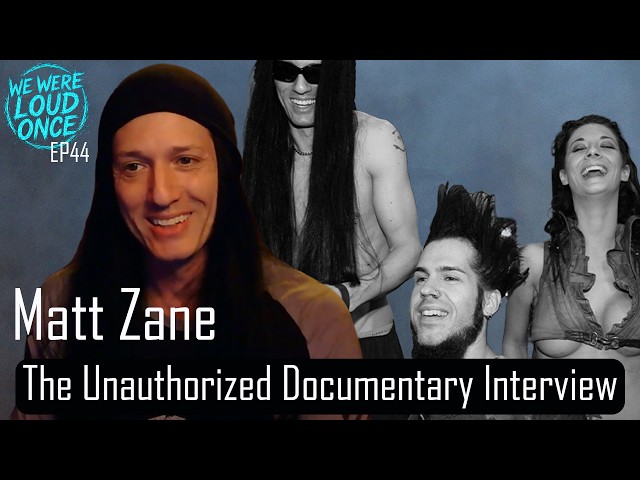
Matt Zane, a filmmaker known for his work within the music industry, announced his intention to create a documentary about Wayne Static. Zane’s project aimed to celebrate Wayne’s life and contributions to music, featuring interviews with friends, family, and fellow musicians. However, the documentary soon became a point of contention between Zane and Wayne Static’s estate.
Cease and Desist Order
In response to Zane’s project, Wayne Static’s estate issued a cease and desist order. This legal measure is used to halt actions that the estate believes infringe upon their rights. The estate’s concerns likely center on the unauthorized use of Wayne Static’s likeness and music, as well as potential misrepresentation in the documentary’s content.
Intellectual Property Rights
At the core of this legal dispute are intellectual property rights. Wayne Static’s estate holds the rights to his likeness, music, and personal story. Any unauthorized use of these elements in a commercial project could be seen as a violation of those rights. This is a common issue in the entertainment industry, where the line between tribute and infringement can be blurred.
Ethical Considerations
Posthumous Works
The creation of posthumous works, such as documentaries, books, or albums, often raises ethical questions. While these projects can serve as tributes, they can also exploit the deceased’s legacy for commercial gain. The estate’s cease and desist order suggests that they believe Zane’s documentary crosses this ethical boundary.
Family and Estate’s Role
The family and estate of a deceased artist play a crucial role in managing their legacy. They are tasked with ensuring that any projects related to the artist are respectful and accurate representations of their life and work. In this case, the estate’s legal action indicates their intent to protect Wayne Static’s legacy from what they perceive as unauthorized exploitation.
Implications for the Music Industry
Impact on Filmmakers
This legal dispute highlights the challenges faced by filmmakers working on projects about deceased artists. It underscores the importance of securing the necessary rights and permissions before proceeding with such projects. Filmmakers must navigate a complex landscape of legal and ethical considerations to ensure their work honors the artist’s legacy.
Lessons for Artists and Estates
For artists and their estates, this case serves as a reminder of the importance of clearly defined intellectual property rights and legacy management. Establishing clear guidelines for the use of an artist’s likeness and work can prevent disputes and ensure that their legacy is preserved according to their wishes.
Conclusion
The cease and desist order issued by Wayne Static’s estate to Matt Zane over the unauthorized documentary is a significant development in the ongoing conversation about intellectual property rights and ethical considerations in the music industry. As the situation unfolds, it will serve as a case study for filmmakers, artists, and estates navigating the complex interplay between creativity and legality. Ultimately, the resolution of this dispute will have implications for how the legacies of deceased artists are managed and celebrated in the future.