
Article written by Roger Casadejús Pérez
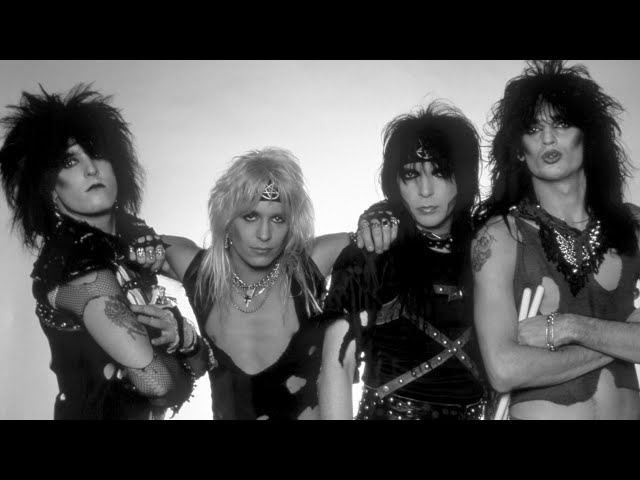
The Best Song on Every Motley Crue Album
A Journey Through the Music of Mötley Crüe
Mötley Crüe, known for their extravagant and often tumultuous lifestyle, have left an indelible mark on the rock genre. Their journey from the infamous Sunset Strip to becoming chart-topping icons is a saga filled with both debauchery and musical prowess. This article embarks on a comprehensive exploration of the best tracks from each of Mötley Crüe’s studio albums, offering insights into their evolution as a band and the standout compositions that have resonated with fans worldwide.
Too Fast for Love (1981)
The debut album “Too Fast for Love” introduced Mötley Crüe as a force to be reckoned with in the rock scene. Among the energetic tracks, one song stands out as a quintessential representation of their early sound. This particular track captures the raw energy and rebellious spirit that would become synonymous with their name.
Shout at the Devil (1983)
With “Shout at the Devil,” Mötley Crüe solidified their place in the rock pantheon. This album showcased a darker, more aggressive edge, which was epitomized by a standout song that has become an anthem for fans. The track’s powerful riffs and commanding vocals encapsulate the essence of the band’s provocative style during this era.
Theater of Pain (1985)
In “Theater of Pain,” the band ventured into new territory with a blend of glam and hard rock elements. Out of the album’s vibrant tracks, one song emerged as a defining moment, capturing the band’s ability to create memorable hooks and melodies that linger in the listener’s mind long after the music has stopped.
Girls, Girls, Girls (1987)
The release of “Girls, Girls, Girls” marked a period where Mötley Crüe embraced their rock star lifestyle more openly than ever before. The album is celebrated for a particular track that not only became a hit but also embodied the hedonistic and carefree attitude that the band was known for during the late ’80s.
Dr. Feelgood (1989)
“Dr. Feelgood” represents a pinnacle in Mötley Crüe’s career, both commercially and artistically. The album features a standout song that perfectly encapsulates the band’s refined musical style and polished production, offering a high-energy experience that remains a fan favorite to this day.
Mötley Crüe (1994)
The self-titled album “Mötley Crüe” saw the band experimenting with a heavier, grunge-influenced sound. Among its tracks, one song stands out for its bold departure from their earlier work, showcasing a new dimension of the band’s musical versatility and willingness to evolve with the changing landscape of rock music.
Generation Swine (1997)
With “Generation Swine,” Mötley Crüe continued to push boundaries and explore different musical styles. The album features a song that captures the band’s adventurous spirit and ability to adapt to the evolving tastes of their audience, making it a highlight of their later discography.
New Tattoo (2000)
“New Tattoo” saw Mötley Crüe returning to their roots with a sound reminiscent of their earlier work. Among the album’s tracks, one song stands out for its nostalgic feel and classic rock elements, providing a nod to the band’s origins while showcasing their enduring appeal.
Saints of Los Angeles (2008)
The album “Saints of Los Angeles” was a return to form for Mötley Crüe, capturing the essence of their storied career. A particular track on this album stands out for its anthemic quality and connection to the band’s history, resonating with fans as a celebration of their legacy.
Conclusion
The legacy of Mötley Crüe is one of dynamic evolution and timeless music. Each album offers a glimpse into the band’s journey, with standout tracks that have defined not only each era but also the band’s enduring impact on rock music. As fans continue to celebrate their extensive catalog, these songs remain a testament to Mötley Crüe’s lasting influence and unparalleled contribution to the genre.