
Article written by Roger Casadejús Pérez
1971: Led Zeppelin – Led Zeppelin IV
While Led Zeppelin is often categorized as hard rock, the influence of their fourth album on the metal genre is undeniable. Released in 1971, Led Zeppelin IV features iconic tracks such as “Stairway to Heaven” and “Black Dog.” The band’s blend of heavy riffs, mystical lyrics, and dynamic arrangements inspired a generation of metal musicians and helped solidify the genre’s mainstream appeal.
1972: Deep Purple – Machine Head
Deep Purple’s “Machine Head” is a cornerstone of early metal, showcasing the band’s virtuosic musicianship and pioneering sound. Released in 1972, the album features the legendary track “Smoke on the Water,” characterized by its unforgettable riff. With its aggressive energy and technical prowess, “Machine Head” played a significant role in shaping the future of heavy metal.
1973: Black Sabbath – Sabbath Bloody Sabbath
“Sabbath Bloody Sabbath,” released in 1973, marked a creative peak for Black Sabbath. The album saw the band experimenting with more complex song structures and lyrical themes, while maintaining their signature heavy sound. Tracks like “Sabbath Bloody Sabbath” and “A National Acrobat” showcase the band’s evolution and continued influence on the metal genre.
1974: Judas Priest – Rocka Rolla
Judas Priest’s debut album “Rocka Rolla,” released in 1974, introduced the world to their unique brand of heavy metal. While the album leans more towards hard rock, it laid the groundwork for the band’s future exploration of a heavier, more aggressive sound. With tracks like “One for the Road,” Judas Priest began to define the metal aesthetic that would dominate the late ’70s and ’80s.
1975: Rainbow – Ritchie Blackmore’s Rainbow
Formed by former Deep Purple guitarist Ritchie Blackmore, Rainbow released their debut album in 1975. “Ritchie Blackmore’s Rainbow” features the powerhouse vocals of Ronnie James Dio and combines elements of hard rock and early metal. This album set the stage for the development of power metal and showcased Blackmore’s virtuosic guitar work and Dio’s commanding presence.
1976: Judas Priest – Sad Wings of Destiny
“Sad Wings of Destiny” is often regarded as Judas Priest’s breakthrough album, released in 1976. This album saw the band refining their sound, incorporating more speed and complexity into their music. Tracks like “Victim of Changes” and “The Ripper” highlight the band’s dual guitar attack and Rob Halford’s soaring vocals, influencing the direction of heavy metal in the years to come.
1977: Motörhead – Motörhead
Motörhead’s self-titled debut album, released in 1977, is a raw and aggressive record that helped define the speed metal subgenre. Led by the iconic Lemmy Kilmister, the band’s blend of punk rock energy and heavy metal intensity set them apart. Tracks like “Motörhead” and “Iron Horse/Born to Lose” exemplify the band’s gritty sound and rebellious spirit.
1978: Van Halen – Van Halen
Van Halen’s debut album, released in 1978, revolutionized the guitar-driven sound of metal and hard rock. Eddie Van Halen’s innovative guitar techniques, particularly his use of tapping, influenced countless musicians. Songs like “Eruption” and “Runnin’ with the Devil” are quintessential tracks that pushed the boundaries of what was possible in rock music, leaving a lasting impact on the metal genre.
1979: AC/DC – Highway to Hell
Though often categorized as hard rock, AC/DC’s “Highway to Hell,” released in 1979, is essential to the development of heavy metal. The album features anthems like “Highway to Hell” and “Touch Too Much,” characterized by Angus Young’s electrifying guitar work and Bon Scott’s distinctive vocals. Its raw energy and rebellious spirit continue to resonate with metal fans around the world.
1980: Black Sabbath – Heaven and Hell
In 1980, Black Sabbath released “Heaven and Hell,” featuring new vocalist Ronnie James Dio. This album marked a resurgence for the band, with a more polished and powerful sound. Tracks like “Heaven and Hell” and “Neon Knights” showcase Dio’s commanding voice and the band’s renewed energy, contributing to the album’s status as a classic within the metal genre.
1981: Iron Maiden – Killers
“Killers,” Iron Maiden’s second studio album released in 1981, further solidified the band’s role in the New Wave of British Heavy Metal (NWOBHM). With tracks like “Wrathchild” and “Murders in the Rue Morgue,” Iron Maiden showcased their intricate guitar work and galloping rhythms. The album’s success paved the way for Iron Maiden’s continued dominance in the metal scene.
1982: Iron Maiden – The Number of the Beast
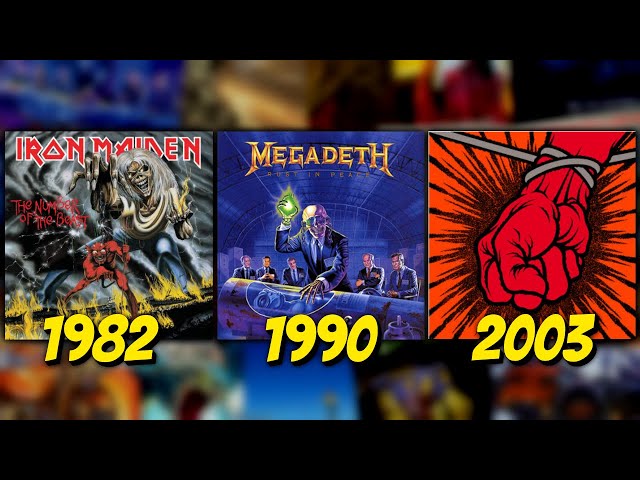
“The Number of the Beast,” released in 1982, is often hailed as one of the greatest metal albums of all time. Featuring new vocalist Bruce Dickinson, the album includes iconic tracks such as “Hallowed Be Thy Name” and the titular “The Number of the Beast.” This release catapulted Iron Maiden to international fame and remains a defining moment in the band’s illustrious career.
1983: Metallica – Kill ‘Em All
Metallica’s debut album “Kill ‘Em All,” released in 1983, revolutionized the thrash metal subgenre. The album’s high-speed riffs, aggressive drumming, and powerful vocals set a new standard for heavy metal. Tracks like “Seek & Destroy” and “Whiplash” exemplify Metallica’s raw energy and technical prowess, establishing them as pioneers of thrash metal.
1984: Metallica – Ride the Lightning
Following the success of their debut, Metallica released “Ride the Lightning” in 1984, showcasing their growth as musicians. This album features more complex song structures and lyrical themes, with standout tracks like “Fade to Black” and “Creeping Death.” “Ride the Lightning” solidified Metallica’s reputation as leaders of the thrash metal movement.
1985: Slayer – Hell Awaits
Slayer’s “Hell Awaits,” released in 1985, is a seminal album in the thrash and extreme metal genres. The album’s dark and aggressive sound, characterized by complex riffs and rapid-fire drumming, pushed the boundaries of heavy metal. Tracks like “Hell Awaits” and “At Dawn They Sleep” showcase Slayer’s relentless intensity and cemented their status as metal icons.
1986: Metallica – Master of Puppets
“Master of Puppets,” released in 1986, is widely regarded as Metallica’s magnum opus. The album combines intricate songwriting, powerful themes, and unparalleled musicianship. Tracks like “Battery,” “Master of Puppets,” and “Welcome Home (Sanitarium)” are quintessential examples of thrash metal at its finest. This album’s influence extends beyond the metal genre, earning its place as a timeless classic.
1987: Guns N’ Roses – Appetite for Destruction
While Guns N’ Roses is often categorized as hard rock, their debut album “Appetite for Destruction,” released in 1987, had a significant impact on the metal genre. The album’s raw energy and rebellious attitude, exemplified by tracks like “Welcome to the Jungle” and “Sweet Child o’ Mine,” resonated with metal fans and contributed to its massive commercial success.
1988: Iron Maiden – Seventh Son of a Seventh Son
Iron Maiden’s “Seventh Son of a Seventh Son,” released in 1988, is a conceptual masterpiece that marked a departure from their previous work. The album features complex arrangements and themes, with tracks like “Can I Play with Madness” and “The Evil That Men Do.” This release showcased Iron Maiden’s willingness to experiment and innovate within the metal genre.
1989: Sepultura – Beneath the Remains
Brazilian metal band Sepultura’s “Beneath the Remains,” released in 1989, is a landmark album in the death and thrash metal scenes. Known for its intense energy and technical precision, the album features tracks like “Inner Self” and “Stronger Than Hate.” “Beneath the Remains” helped establish Sepultura as a major force in the global metal community.
1990: Pantera – Cowboys from Hell
Pantera’s “Cowboys from Hell,” released in 1990, marked a turning point for the band and the metal genre as a whole. The album introduced the world to Pantera’s groove metal sound, characterized by powerful riffs and Phil Anselmo’s aggressive vocals. Tracks like “Cowboys from Hell” and “Cemetery Gates” showcased the band’s technical prowess and laid the foundation for their future success.
1991: Metallica – Metallica (The Black Album)
Metallica’s self-titled album, commonly known as “The Black Album,” released in 1991, marked a significant shift in the band’s sound. With a more polished and accessible approach, the album features hits like “Enter Sandman” and “The Unforgiven.” “The Black Album” achieved immense commercial success and introduced Metallica to a wider audience, influencing countless bands across the genre.
1992: Megadeth – Countdown to Extinction
Megadeth’s “Countdown to Extinction,” released in 1992, is a landmark album that showcased the band’s evolution towards a more refined sound. With tracks like “Symphony of Destruction” and “Sweating Bullets,” the album combines technical precision with socially conscious lyrics. “Countdown to Extinction” solidified Megadeth’s status as one of the leading bands in the metal genre.
1993: Carcass – Heartwork
Carcass’s “Heartwork,” released in 1993, is a pivotal album in the melodic death metal subgenre. Known for its intricate guitar work and melodic sensibilities, “Heartwork” features tracks like “No Love Lost” and “Buried Dreams.” This release helped bridge the gap between death metal and more melodic forms of metal, influencing a new wave of metal bands.
1994: Pantera – Far Beyond Driven
Pantera’s “Far Beyond Driven,” released in 1994, is a testament to the band’s uncompromising heaviness and aggression. The album debuted at number one on the Billboard 200, a rare achievement for a metal band at the time. Tracks like “I’m Broken” and “5 Minutes Alone” exemplify Pantera’s groove metal sound and cemented their legacy as one of the most influential metal bands of the 1990s.
1995: Fear Factory – Demanufacture
Fear Factory’s “Demanufacture,” released in 1995, is a groundbreaking album that combined elements of industrial and death metal. Known for its mechanical precision and futuristic themes, the album features tracks like “Replica” and “Demanufacture.” “Demanufacture” influenced a new wave of industrial metal bands and remains a classic within the genre.
1996: Tool – Ænima
Tool’s “Ænima,” released in 1996, is a genre-defying album that blends elements of progressive, alternative, and metal music. Known for its complex arrangements and thought-provoking lyrics, the album features tracks like “Stinkfist” and “Forty Six & 2.” “Ænima” showcased Tool’s unique sound and solidified their status as one of the most innovative bands in modern metal.
1997: Machine Head – The More Things Change…
Machine Head’s “The More Things Change…,” released in 1997, is a raw and powerful album that showcases the band’s groove and thrash metal influences. Tracks like “Ten Ton Hammer” and “Take My Scars” highlight the band’s aggressive sound and lyrical intensity. This release further established Machine Head as a major force in the metal scene.
1998: Slayer – Diabolus in Musica
Slayer’s “Diabolus in Musica,” released in 1998, marked a departure from the band’s traditional thrash sound, incorporating elements of nu-metal and groove metal. While the album received mixed reviews, tracks like “Bitter Peace” and “Stain of Mind” demonstrate Slayer’s willingness to experiment and adapt to the evolving metal landscape.
1999: Slipknot – Slipknot
Slipknot’s self-titled debut album, released in 1999, introduced the world to their unique brand of nu-metal and extreme metal. Known for their chaotic live performances and aggressive sound, the album features tracks like “Wait and Bleed” and “Spit It Out.” Slipknot’s debut album quickly gained a dedicated fanbase and set the stage for their future success.
2000: Iron Maiden – Brave New World
Iron Maiden’s “Brave New World,” released in 2000, marked the return of vocalist Bruce Dickinson and guitarist Adrian Smith to the band. The album features a revitalized sound, with tracks like “The Wicker Man” and “Blood Brothers.” “Brave New World” was well received by fans and critics alike, reaffirming Iron Maiden’s status as one of the greatest metal bands of all time.
2001: System of a Down – Toxicity
System of a Down’s “Toxicity,” released in 2001, is a landmark album that blends elements of nu-metal, alternative, and progressive metal. Known for its dynamic and eclectic sound, the album features tracks like “Chop Suey!” and “Toxicity.” “Toxicity” achieved massive commercial success and solidified System of a Down’s place in modern metal history.
2002: Opeth – Deliverance
Opeth’s “Deliverance,” released in 2002, is a masterful blend of death metal and progressive rock. Known for its intricate compositions and dynamic shifts, the album features tracks like “Deliverance” and “Master’s Apprentices.” “Deliverance” showcased Opeth’s ability to seamlessly blend brutality and melody, earning them critical acclaim and a dedicated following.
2003: Lamb of God – As the Palaces Burn
Lamb of God’s “As the Palaces Burn,” released in 2003, is a pivotal album in the resurgence of American heavy metal. Known for its aggressive sound and politically charged lyrics, the album features tracks like “Ruin” and “11th Hour.” “As the Palaces Burn” helped establish Lamb of God as one of the leading bands in modern metal.
2004: Mastodon – Leviathan
Mastodon’s “Leviathan,” released in 2004, is a concept album inspired by Herman Melville’s “Moby-Dick.” Known for its progressive and sludge metal influences, the album features tracks like “Blood and Thunder” and “Iron Tusk.” “Leviathan” received critical acclaim and established Mastodon as one of the most innovative bands in modern metal.
2005: System of a Down – Mezmerize
System of a Down’s “Mezmerize,” released in 2005, is the first part of a double album that showcases the band’s eclectic and dynamic sound. Known for its political themes and diverse influences, the album features tracks like “B.Y.O.B.” and “Question!” “Mezmerize” achieved commercial success and continued to solidify System of a Down’s place in modern metal.
2006: Mastodon – Blood Mountain
Mastodon’s “Blood Mountain,” released in 2006, is a progressive metal masterpiece that showcases the band’s technical prowess and inventive songwriting. Known for its complex arrangements and mythological themes, the album features tracks like “The Wolf Is Loose” and “Colony of Birchmen.” “Blood Mountain” received widespread acclaim and further established Mastodon as leaders in the metal genre.
2007: Machine Head – The Blackening
Machine Head’s “The Blackening,” released in 2007, is a modern metal classic known for its intricate compositions and powerful themes. The album features tracks like “Clenching the Fists of Dissent” and “Aesthetics of Hate.” “The Blackening” received critical acclaim and solidified Machine Head’s reputation as one of the leading bands in contemporary metal.
2008: Metallica – Death Magnetic
Metallica’s “Death Magnetic,” released in 2008, marked a return to the band’s thrash metal roots. Known for its aggressive sound and complex song structures, the album features tracks like “The Day That Never Comes” and “All Nightmare Long.” “Death Magnetic” received positive reviews and reaffirmed Metallica’s status as one of the most influential bands in metal history.
2009: Mastodon – Crack the Skye
Mastodon’s “Crack the Skye,” released in 2009, is a progressive metal masterpiece that explores themes of spirituality and astral travel. Known for its intricate compositions and dynamic soundscapes, the album features tracks like “Oblivion” and “The Czar.” “Crack the Skye” received widespread critical acclaim and solidified Mastodon’s place as one of the most innovative bands in modern metal.
2010: Deftones – Diamond Eyes
Deftones’ “Diamond Eyes,” released in 2010, is a critically acclaimed album that blends elements of alternative, nu-metal, and post-metal. Known for its atmospheric sound and emotionally charged lyrics, the album features tracks like “Diamond Eyes” and “Sextape.” “Diamond Eyes” received positive reviews and reaffirmed Deftones’ status as one of the most innovative bands in modern metal.
2011: Opeth – Heritage
Opeth’s “Heritage,” released in 2011, marked a departure from the band’s traditional death metal sound, embracing a more progressive and psychedelic approach. Known for its intricate compositions and vintage influences, the album features tracks like “The Devil’s Orchard” and “I Feel the Dark.” “Heritage” received critical acclaim and showcased Opeth’s willingness to experiment and evolve.
2012: Gojira – L’Enfant Sauvage
Gojira’s “L’Enfant Sauvage,” released in 2012, is a powerful album that blends elements of death metal, groove metal, and progressive metal. Known for its heavy sound and intricate compositions, the album features tracks like “L’Enfant Sauvage” and “Explosia.” “L’Enfant Sauvage” received critical acclaim and solidified Gojira’s status as one of the leading bands in modern metal.
2013: Black Sabbath – 13
Black Sabbath’s “13,” released in 2013, marked the band’s first studio album in 18 years and featured original members Ozzy Osbourne, Tony Iommi, and Geezer Butler. Known for its heavy sound and classic metal influences, the album features tracks like “God Is Dead?” and “End of the Beginning.” “13” received positive reviews and showcased Black Sabbath’s enduring influence on the metal genre.
2014: Mastodon – Once More ‘Round the Sun
Mastodon’s “Once More ‘Round the Sun,” released in 2014, is a critically acclaimed album that blends elements of progressive, sludge, and alternative metal. Known for its intricate compositions and dynamic sound, the album features tracks like “High Road” and “The Motherload.” “Once More ‘Round the Sun” received positive reviews and further established Mastodon as one of the most innovative bands in modern metal.
2015: Lamb of God – VII: Sturm und Drang
Lamb of God’s “VII: Sturm und Drang,” released in 2015, is a powerful album that blends elements of groove metal and thrash metal. Known for its aggressive sound and politically charged lyrics, the album features tracks like “Still Echoes” and “512.” “VII: Sturm und Drang” received positive reviews and reaffirmed Lamb of God’s status as one of the leading bands in modern metal.
2016: Metallica – Hardwired… to Self-Destruct
Metallica’s “Hardwired… to Self-Destruct,” released in 2016, marked a triumphant return to the band’s thrash metal roots. Known for its aggressive sound and complex song structures, the album features tracks like “Hardwired” and “Moth Into Flame.” “Hardwired… to Self-Destruct” received positive reviews and reaffirmed Metallica’s status as one of the most influential bands in metal history.
2017: Mastodon – Emperor of Sand
Mastodon’s “Emperor of Sand,” released in 2017, is a concept album that explores themes of mortality and resilience. Known for its intricate compositions and dynamic sound, the album features tracks like “Sultan’s Curse” and “Show Yourself.” “Emperor of Sand” received widespread critical acclaim and solidified Mastodon’s place as one of the leading bands in modern metal.
2018: Judas Priest – Firepower
Judas Priest’s “Firepower,” released in 2018, is a powerful album that blends elements of classic and modern metal. Known for its heavy sound and anthemic tracks, the album features songs like “Lightning Strike” and “Firepower.” “Firepower” received widespread critical acclaim and showcased Judas Priest’s enduring influence on the metal genre.
2019: Slipknot – We Are Not Your Kind
Slipknot’s “We Are Not Your Kind,” released in 2019, is a critically acclaimed album that blends elements of nu-metal, alternative, and extreme metal. Known for its aggressive sound and emotionally charged lyrics, the album features tracks like “Unsainted” and “Solway Firth.” “We Are Not Your Kind” received positive reviews and reaffirmed Slipknot’s status as one of the leading bands in modern metal.
2020: Trivium – What the Dead Men Say
Trivium’s “What the Dead Men Say,” released in 2020, is a powerful album that blends elements of thrash, metalcore, and progressive metal. Known for its intricate compositions and dynamic sound, the album features tracks like “Catastrophist” and “The Defiant.” “What the Dead Men Say” received positive reviews and solidified Trivium’s status as one of the leading bands in modern metal.
2021: Gojira – Fortitude
Gojira’s “Fortitude,” released in 2021, is a critically acclaimed album that blends elements of death metal, groove metal, and progressive metal. Known for its heavy sound and socially conscious lyrics, the album features tracks like “Born for One Thing” and “Amazonia.” “Fortitude” received widespread acclaim and further established Gojira as one of the leading bands in modern metal.
2022: Slipknot – The End, So Far
Slipknot’s “The End, So Far,” released in 2022, is a powerful album that blends elements of nu-metal, alternative, and extreme metal. Known for its aggressive sound and emotionally charged lyrics, the album features tracks like “The Chapeltown Rag” and “Yen.” “The End, So Far” received positive reviews and reaffirmed Slipknot’s status as one of the leading bands in modern metal.
2023: Metallica – 72 Seasons
Metallica’s “72 Seasons,” released in 2023, marks another powerful entry into the band’s legendary discography. Known for its blend of thrash metal intensity and melodic depth, the album features tracks like “Lux Æterna” and “If Darkness Had a Son.” “72 Seasons” received wide acclaim for its exploration of themes both personal and universal, reinforcing Metallica’s enduring influence in the metal genre.
Conclusion
The journey through the best metal albums of each year since 1970 highlights the genre’s evolution and enduring influence on the world of music. From the pioneering sounds of Black Sabbath to the contemporary innovations of bands like Gojira and Slipknot, metal has continually pushed boundaries and inspired generations of musicians and fans alike. As we look to the future, the legacy of these albums and the artists behind them will continue to shape the sound and spirit of metal for years to come.