
Article written by Roger Casadejús Pérez
Introduction
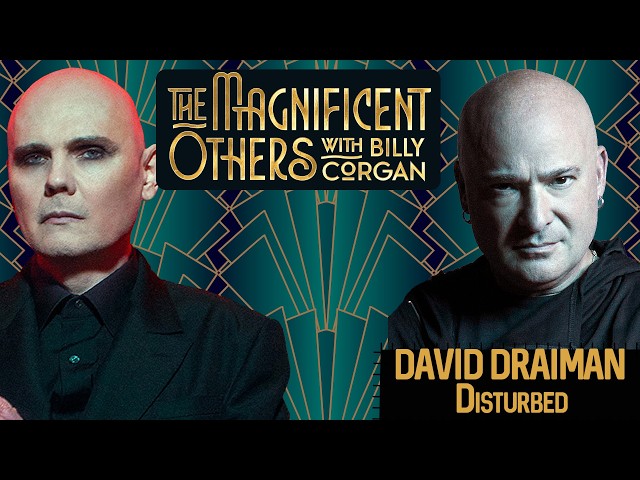
In the vast and diverse world of music, artists often find themselves at a crossroads where creative expression intersects with political discourse. An intriguing conversation that explores this intersection occurred when Billy Corgan, the enigmatic frontman of The Smashing Pumpkins, engaged in a thought-provoking dialogue with David Draiman, the dynamic lead singer of Disturbed, on Corgan’s podcast, ‘The Magnificent Others.’ The central question posed during this discussion was: Should music be political? This article delves into the nuances of their conversation, dissecting the implications and significance of this age-old debate.
The Context of the Discussion
The setting for this enlightening exchange was Corgan’s podcast, ‘The Magnificent Others,’ a platform known for its deep dives into the minds of influential figures in the music industry. Corgan, an artist celebrated for his introspective lyrics and emotive performances, invited Draiman, whose band Disturbed is renowned for its powerful and often socially conscious music, to share his perspective on the role of politics in music.
Billy Corgan’s Perspective
Billy Corgan, throughout his career, has never shied away from addressing complex themes in his music. However, the question of whether music should be overtly political is one that requires careful consideration. Corgan, by posing this question to Draiman, signified the importance of understanding different viewpoints on how political themes can be expressed through music without overshadowing artistic integrity or alienating audiences.
David Draiman’s Response
David Draiman, known for his impassioned vocal delivery and the socially charged elements in Disturbed’s discography, approached the question with a nuanced perspective. Draiman’s response highlighted the dual nature of music as both a form of personal expression and a platform for societal commentary. His insights suggested that while music has the power to influence and inspire change, it also carries the responsibility of engaging listeners in meaningful dialogue without resorting to divisive rhetoric.
The Historical Role of Politics in Music
To fully appreciate the significance of the conversation between Corgan and Draiman, it is essential to consider the historical role that politics has played in music. Throughout the decades, artists across genres have utilized their craft to comment on political events, advocate for social change, and give voice to marginalized communities. From protest songs of the 1960s to the politically charged anthems of punk rock, music has long been a vehicle for political expression.
Examples from Music History
Iconic artists such as Bob Dylan, whose lyrics often reflected the tumultuous social landscape of his time, and bands like Rage Against the Machine, who directly addressed political issues in their music, exemplify how music can both reflect and influence political movements. These historical precedents underscore the potential for music to serve as a catalyst for political awareness and action.
The Balance Between Art and Politics
One of the central themes explored in the conversation between Corgan and Draiman is the delicate balance that artists must strike between art and politics. While music can be a powerful tool for political engagement, it is vital for artists to maintain their artistic vision and authenticity. This balance ensures that political messages do not overshadow the artistic merit of the music or alienate listeners who may hold differing views.
The Artist’s Responsibility
Artists, as cultural influencers, bear a responsibility to consider the impact of their political expressions within their music. This responsibility includes fostering an environment where diverse perspectives are respected and where constructive dialogue can flourish. By doing so, artists can contribute to a more informed and empathetic society, using their platform to bridge divides rather than deepen them.
Conclusion
The conversation between Billy Corgan and David Draiman on ‘The Magnificent Others’ podcast serves as a timely reminder of the ongoing debate surrounding the role of politics in music. As artists continue to navigate this complex terrain, they are tasked with balancing the expression of their political beliefs with the preservation of artistic integrity. Ultimately, whether music should be political remains a subjective question, influenced by individual perspectives and the ever-evolving cultural landscape. However, what remains indisputable is the profound ability of music to inspire, challenge, and connect us, regardless of the political content it may or may not contain.