
Article written by Roger Casadejús Pérez
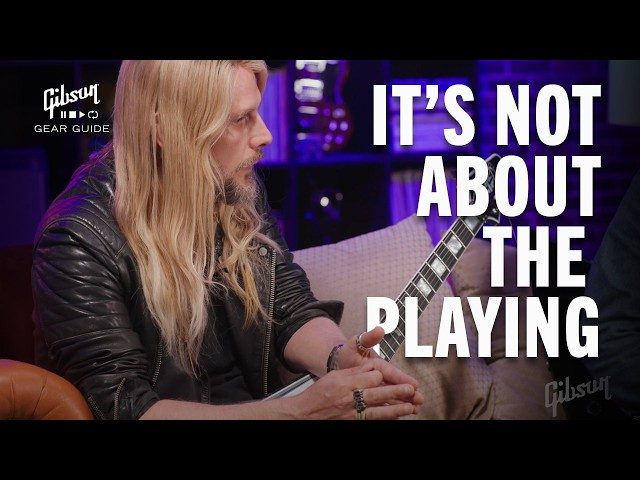
The Importance of Ear Training
Ear training is the process of developing the ability to identify pitches, intervals, melody, chords, rhythms, and other basic elements of music by ear. Richie Faulkner emphasizes that ear training is crucial because it fosters a deeper connection with the music. It allows guitarists to understand what they are playing rather than just mimicking finger placements on the fretboard.
Enhancing Musicality
One of the primary reasons Faulkner advocates for ear training is that it enhances overall musicality. By training your ear, you become more attuned to the emotional qualities of music, enabling you to express yourself more authentically through your instrument. This skill is vital not just for performing, but also for composing and improvising.
“When you rely solely on tabs, you miss the opportunity to develop your ear, which is essential for becoming a well-rounded musician,” Richie Faulkner asserts.
Developing a Personal Style
Relying heavily on tabs can lead to a homogeneous playing style, as it restricts musicians to replicating existing works without fostering originality. Ear training encourages guitarists to explore different genres and styles, enabling them to develop a unique voice. Richie Faulkner stresses that having a personal style is what sets great musicians apart from the rest.
How Ear Training Surpasses Tablature
While tabs provide a straightforward blueprint for playing songs, ear training equips musicians with a more comprehensive understanding of music. Here’s how ear training goes beyond what tabs can offer:
Understanding Music Theory
Tabs often lack the theoretical context that underpins the music. Ear training, on the other hand, helps guitarists grasp the underlying structure of music, such as scales, chord progressions, and key signatures. This knowledge not only aids in learning new songs more effectively but also in the creation of original compositions.
Improvisation Skills
Improvisation is a critical skill for any musician, and it heavily relies on the player’s ability to listen and respond to the music in real-time. Ear training develops the skills necessary to recognize patterns, anticipate chord changes, and create spontaneous melodies. Richie Faulkner emphasizes that improvisation is where true artistry comes into play, as it allows musicians to express their emotions and ideas freely.
Playing by Ear
Playing by ear is a coveted skill among musicians, and it can be particularly beneficial when there are no tabs available for a song. Ear training enables guitarists to transcribe music directly from recordings, a skill that is essential for learning rare or unpublished tracks. Faulkner notes that this ability can also enhance collaboration with other musicians, as it allows for better communication and adaptability during performances.
Practical Steps to Develop Your Ear
For those looking to enhance their ear training skills, Richie Faulkner offers several practical steps:
Start with Simple Exercises
Begin with basic ear training exercises such as identifying intervals and recognizing chord types. Online tools and apps can provide structured exercises to help develop these skills.
Transcribe Music
Choose simple songs and try transcribing them by ear. Start with the melody and gradually work on the harmonies and rhythm sections. This practice enhances your ability to decode music without relying on written notation.
Play Along with Recordings
Playing along with recordings helps to refine timing and rhythm, and it also aids in recognizing song structures and chord progressions. This practice is crucial for developing the ability to play by ear.
Engage in Active Listening
Actively listen to a wide variety of music, paying close attention to the different instruments, melody lines, and harmonies. Try to mentally dissect the music and understand its components.
Conclusion
While guitar tabs offer a convenient way to start playing music, Richie Faulkner’s insights remind us of the importance of ear training in achieving true musical proficiency. Building a strong foundation in ear training not only enhances your musicality but also empowers you to develop a personal style, understand music theory, and improvise with confidence. By prioritizing your ear, you can unlock the full potential of your musical journey, transcending the limitations of tablature and becoming a more versatile and expressive guitarist.