
Article written by Roger Casadejús Pérez
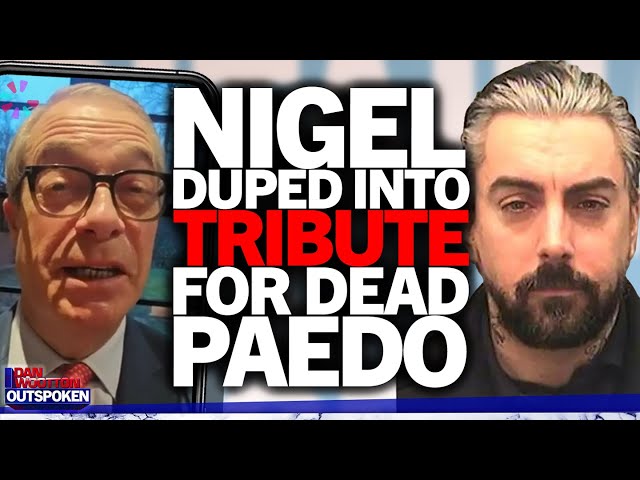
The Incident: A Political Misstep
The incident occurred when a local politician, known for their active engagement with the community and frequent use of social media to connect with constituents, was approached during a public event. An individual posing as a fan of Ian Watkins requested the politician to record a video message paying tribute to the musician, purportedly as part of a charitable cause.
Unaware of the true identity behind the name, the politician obliged, delivering a short message praising Watkins for his “contributions to music” and “inspiring career.” The video was subsequently uploaded to social media, where it quickly attracted attention and criticism.
Public Reaction and Media Frenzy
Immediate Backlash
The reaction from the public was swift and merciless. Social media platforms became flooded with comments expressing outrage and disbelief that a public figure could make such a blunder. Critics questioned the politician’s judgment and awareness, arguing that someone in their position should have been more informed about such a notorious figure.
Media Coverage
The incident was picked up by local and national media outlets, further amplifying the controversy. News articles and television segments dissected the video, with experts weighing in on the potential damage to the politician’s reputation and career. Media coverage highlighted the importance of due diligence and the risks associated with spontaneous public interactions.
Response from the Politician
In the wake of the uproar, the politician issued a public apology, expressing deep regret for the mistake and acknowledging the insensitivity of the tribute. They explained that the error stemmed from a lack of awareness and assured the public that steps would be taken to prevent similar incidents in the future.
“I am truly sorry for the pain and offense caused by my uninformed actions. I was misled, and I take full responsibility for not verifying the information before proceeding. I will strive to ensure that such an oversight does not happen again.” – Statement from the Politician
Broader Implications and Lessons Learned
Impact on Political Careers
This incident serves as a stark reminder of the scrutiny faced by public figures and the potential for missteps to have lasting consequences. In a world where information is readily available and shared instantaneously, politicians must remain vigilant and informed to avoid similar pitfalls. The incident may impact the politician’s future electoral prospects, as opponents could leverage the gaffe to question their competence and reliability.
Importance of Media Literacy
In the digital age, media literacy is more important than ever. Public figures must be adept at discerning credible information from misinformation, particularly when engaging with the public. This case underscores the need for comprehensive media training for politicians and their teams, equipping them with the skills to navigate complex media landscapes and avoid being manipulated.
Ethical Considerations for Pranks and Manipulation
The incident also raises ethical questions about the motivations and responsibilities of those who perpetrate such pranks. While some may view these actions as harmless or humorous, the potential harm to individuals’ reputations and the broader societal implications cannot be overlooked. There is a growing need for discourse on the ethics of media manipulation and the responsibilities of those who engage in such activities.
Conclusion
The case of the politician tricked into paying tribute to Ian Watkins is a cautionary tale about the pitfalls of public life in the digital age. It highlights the importance of media literacy, the need for vigilance in public interactions, and the ethical considerations surrounding media manipulation. While the incident may have temporarily damaged the politician’s reputation, it also presents an opportunity for growth and learning, not only for the individual involved but for all public figures navigating the challenges of modern media landscapes.