
Article written by Roger Casadejús Pérez
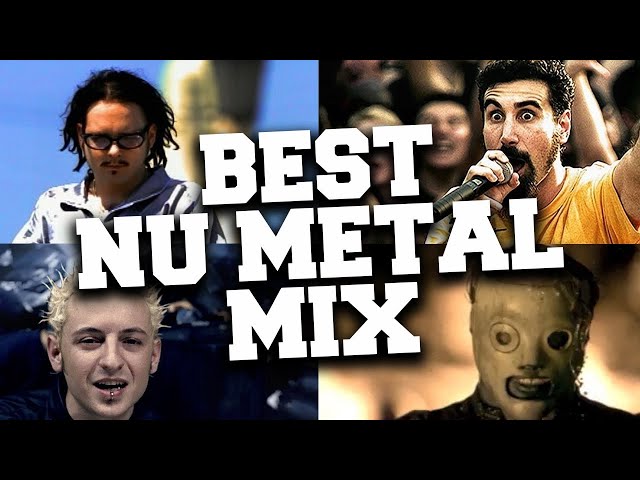
The Evolution of Nu-Metal: A Unique Musical Subgenre
Nu-metal, as a distinctive subgenre of music, unmistakably developed its own unique style, which was particularly prominent during its heyday in the late 1990s and early 2000s. This genre, characterized by its fusion of heavy metal elements with other genres such as hip hop, grunge, and alternative rock, created a sound that resonated with a vast audience, leading to its moment in the spotlight.
Defining Characteristics of Nu-Metal
Nu-metal stood out not only because of its musical composition but also due to its aesthetic and cultural aspects. The genre often featured downtuned guitars, aggressive vocals, and an eclectic mix of sounds, which included rap verses, DJ scratches, and electronic influences. These elements combined to create a sound that was both innovative and reflective of the angst and energy of the era.
Nu-Metal Icons: Then and Now
The stars of nu-metal, who once defined this musical movement, have undergone significant transformations over the years. Many of these musicians have continued to evolve, both in their personal lives and in their musical careers, adapting to new trends while still retaining the essence of what made them icons in the first place.
From Breakthrough to Evolution
In the late ’90s and early 2000s, nu-metal bands like Korn, Limp Bizkit, and Linkin Park were at the forefront of the music scene. These bands, with their dynamic performances and groundbreaking albums, captured the attention of a generation. The members of these bands became household names, and their appearances and styles were emblematic of the nu-metal era.
Personal and Professional Transformations
As time has passed, the artists who once dominated the nu-metal scene have experienced profound changes. Some have ventured into new musical genres, exploring different sounds and collaborating with artists from various backgrounds. Others have focused on personal growth, balancing their careers with family life or pursuing interests outside of music.
A Look Back: The Impact of Nu-Metal
Reflecting on the impact of nu-metal, it is evident that this genre not only influenced the music industry but also left a lasting cultural imprint. The themes of rebellion, introspection, and raw emotion found in nu-metal lyrics resonated with fans, providing a voice to those who felt marginalized or misunderstood. The fashion and visual elements associated with nu-metal, such as baggy clothing, tattoos, and distinctive hairstyles, also became symbolic of a broader cultural movement.
Legacy and Influence
Despite its decline in mainstream popularity, the legacy of nu-metal continues to influence new generations of musicians. Many contemporary artists cite nu-metal bands as key influences, drawing inspiration from their innovative approaches to music and performance. The genre’s willingness to break boundaries and challenge conventions has paved the way for future musical explorations.
The Future of Nu-Metal Icons
Looking towards the future, the icons of nu-metal remain relevant in the music industry. Some are reuniting for tours and special performances, while others are releasing new music that blends their classic sound with modern influences. Their enduring presence in the music world is a testament to their talent and the lasting appeal of the nu-metal genre.
Conclusion: The Ever-Changing Face of Music
In conclusion, the journey of nu-metal stars from the late ’90s and early 2000s to the present day highlights the ever-changing nature of the music industry. While styles and trends may evolve, the passion and creativity that defined nu-metal continue to inspire artists and fans alike. As we look back on this iconic era, we celebrate the musicians who shaped a genre and left an indelible mark on the world of music.
For further insights into the transformations of nu-metal stars and to see how they have changed over the years, you can continue reading…