
Article written by Roger Casadejús Pérez
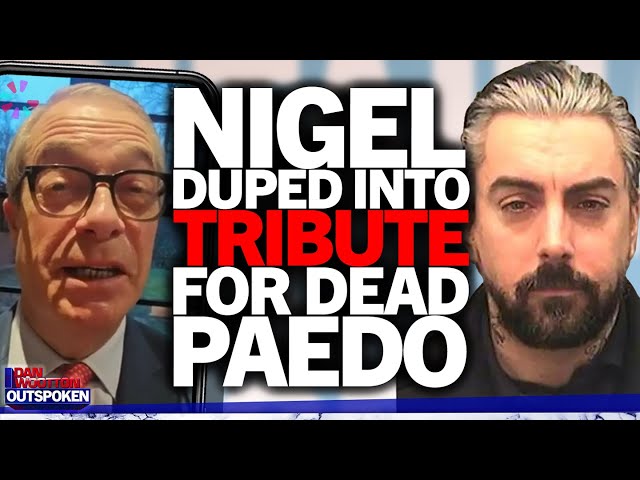
The Lostprophets and Ian Watkins
Lostprophets was a highly successful Welsh rock band formed in 1997, known for their energetic performances and chart-topping hits. At the forefront of the band was Ian Watkins, whose charisma and vocal talent helped propel the group to international fame. Despite their success, the band’s reputation was irreparably damaged following the shocking revelations about Watkins’ criminal activities.
In 2013, Ian Watkins was convicted of a series of heinous crimes, including child sexual offenses, which led to widespread condemnation and a 29-year prison sentence. The fallout from this scandal effectively ended Lostprophets’ career, leaving a legacy tarnished by Watkins’ actions.
The Incident: How Farage Was Tricked
The incident involving Nigel Farage began innocuously enough, with Farage engaging with his audience through Cameo, a popular platform where fans can request personalized video messages from celebrities. In this particular case, Farage was approached to record a tribute video for Ian Watkins, purportedly as a birthday greeting.
Unbeknownst to Farage, the request was a prank orchestrated by individuals aware of Watkins’ criminal background. The resulting video, in which Farage unwittingly praises Watkins, was subsequently shared online, sparking outrage and embarrassment for the politician.
Public Reaction and Impact
The public reaction to the video was swift and condemnatory, with many criticizing Farage for failing to conduct due diligence before recording the tribute. The incident quickly became a talking point across social media platforms, with users expressing disbelief at the lapse in judgment.
For Farage, the backlash was a stark reminder of the importance of verifying information in an era where misinformation and pranks can spread rapidly online. The incident also underscored the potential reputational risks faced by public figures who engage with online platforms without adequate safeguards.
The Role of Social Media in Modern Pranks
Social media has revolutionized the way people communicate and share information, but it has also created new opportunities for pranks and misinformation. Platforms like Twitter, Instagram, and Facebook serve as conduits for viral content, enabling pranks to reach wide audiences in a matter of hours.
In this context, public figures are particularly vulnerable to such pranks, as their actions are often scrutinized and shared widely. The Farage incident highlights the need for public figures to exercise caution when engaging with online requests, as well as the importance of maintaining a team capable of vetting such interactions.
Lessons Learned and Moving Forward
There are several key takeaways from the Nigel Farage incident that can serve as lessons for public figures navigating the digital landscape. First and foremost is the importance of due diligence. Public figures should ensure that they have accurate information about the individuals and organizations they are engaging with, particularly when using platforms like Cameo.
Additionally, this incident underscores the need for better media literacy among public figures and their teams. Understanding the dynamics of social media and the potential for misinformation can help mitigate the risks associated with digital interactions.
Ultimately, the Farage incident serves as a cautionary tale about the challenges of maintaining a public image in the age of social media. As the digital landscape continues to evolve, public figures must adapt and develop strategies to protect their reputations while remaining engaged with their audiences.