
Article written by Roger Casadejús Pérez
Introduction to the Unconventional Performance
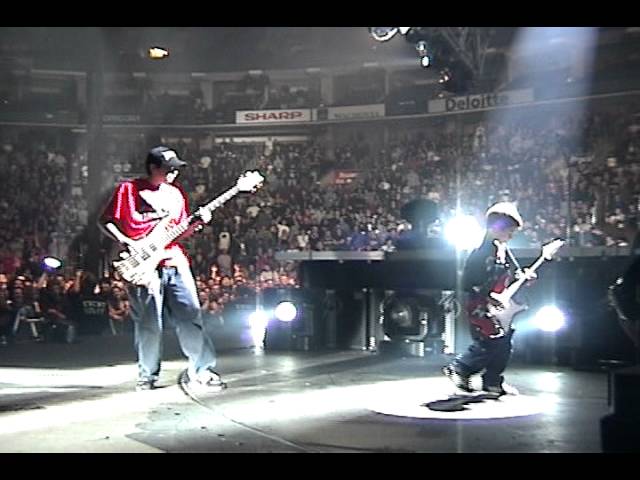
In an unexpected turn of events that caught the attention of music enthusiasts and concertgoers alike, members of the legendary heavy metal band Metallica made headlines for their audacious decision to perform a song that had been explicitly banned. This bold move took place at the Principality Stadium, where Metallica’s Kirk Hammett and Robert Trujillo took center stage to deliver a rendition of a song that had been shrouded in controversy.
The Song in Question: ‘Delilah’ by Tom Jones
The song that became the focal point of this unexpected performance was none other than ‘Delilah,’ originally sung by the renowned Welsh singer Tom Jones. This particular track had been banned from being performed at the Principality Stadium three years prior, raising questions regarding the motivations and implications of such a decision. Despite this prohibition, Hammett and Trujillo boldly chose to bring it back to life in front of a live audience.
Background on the Ban
To fully comprehend the gravity of Metallica’s choice, it is crucial to delve into the reasons behind the ban on ‘Delilah.’ Three years ago, the Principality Stadium made the decision to prohibit the song due to undisclosed reasons, which have since remained a subject of speculation and curiosity among fans and critics alike. This ban, however, did not deter Hammett and Trujillo from embracing the challenge of performing the song during their concert.
Metallica’s Decision to Defy the Ban
Metallica, a band known for its rebellious spirit and willingness to challenge the status quo, once again proved its reputation by choosing to defy the existing restrictions. Kirk Hammett and Robert Trujillo, in particular, spearheaded this initiative, showcasing their commitment to artistic expression and their desire to connect with their audience in an unexpected and thrilling manner.
The Performance
The performance itself was marked by a palpable sense of excitement and anticipation, as attendees eagerly awaited the moment when the forbidden notes of ‘Delilah’ would fill the stadium. Hammett and Trujillo, with their characteristic flair and musical prowess, delivered a rendition that resonated deeply with the audience, transcending the original context of the song and breathing new life into its melody.
Audience Reaction and Impact
The reaction from the audience was nothing short of overwhelming. Fans, who perhaps had not anticipated witnessing such a memorable and defiant act, responded with enthusiasm and appreciation. The performance of ‘Delilah’ not only captivated those in attendance but also sparked a broader conversation about the role of artistic freedom and the boundaries of censorship within the music industry.
Cultural and Artistic Significance
Beyond the immediate impact of the performance, Metallica’s decision to play ‘Delilah’ at the Principality Stadium carries significant cultural and artistic implications. It serves as a reminder of the enduring power of music to challenge conventions, provoke thought, and foster a dialogue about the ever-evolving relationship between artists and their audiences.
Conclusion
Metallica’s audacious choice to perform a banned song at the Principality Stadium stands as a testament to the band’s enduring legacy of pushing boundaries and defying expectations. By reinvigorating ‘Delilah’ in such a bold manner, Kirk Hammett and Robert Trujillo not only paid homage to a classic track but also reaffirmed the transformative power of music. This event will undoubtedly be remembered as a remarkable moment in the band’s storied career, leaving an indelible mark on both fans and the broader cultural landscape.