
Article written by Roger Casadejús Pérez
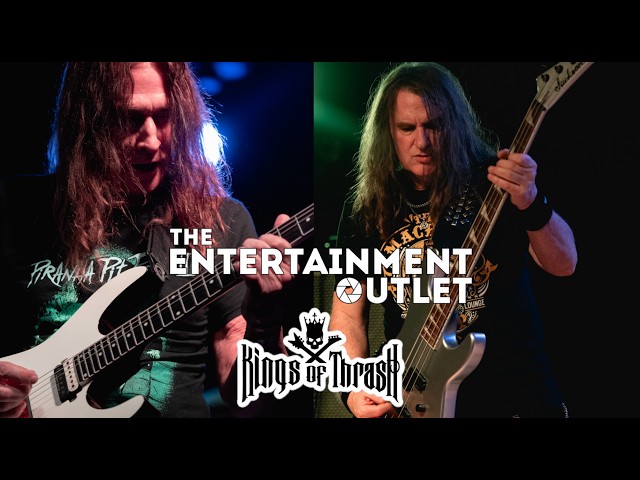
JEFF YOUNG On Possibility Of Playing With MEGADETH Again During Band’s ‘Farewell’ Tour: ‘I Don’t Even Know If I’d Wanna Do It If It Was Offered To Me’
Introduction
In the ever-evolving world of heavy metal, the prospect of band reunions often sparks both excitement and speculation among fans and musicians alike. Within this dynamic landscape, a recent interview featuring ex-MEGADETH guitarist Jeff Young has illuminated intriguing perspectives on the potential for former band members to reunite with MEGADETH during a hypothetical ‘farewell’ tour. Conducted by Chris Akin of The Classic Metal Show, the conversation delved into the complexities surrounding such a reunion, particularly from Young’s point of view. The discussion touched upon not only the logistical and emotional challenges of such an event but also Young’s own introspections and considerations regarding the potential offer.
Background and Context
MEGADETH, a band renowned for its influential role in the metal genre, has seen numerous line-up changes over the decades, with various musicians contributing to its legacy. Among these musicians is Jeff Young, who, despite his relatively brief tenure with the band, left a significant mark. His association with MEGADETH includes the famed “So Far, So Good… So What!” album, a critical piece in the band’s discography. Currently, Young is part of the band KINGS OF THRASH, alongside David Ellefson, another former MEGADETH member. This shared history and ongoing musical collaboration naturally raise questions about the potential for their involvement in a MEGADETH ‘farewell’ tour, should such an event transpire.
The Possibility of a Reunion
When asked about the possibility of reuniting with MEGADETH for a ‘farewell’ tour, Jeff Young expressed a sentiment that was both reflective and cautious. He indicated that, though the idea of all former members joining forces with the band for such an occasion is intriguing, there are personal and professional considerations that weigh heavily on such a decision. Young’s response hinted at a mixture of nostalgia and practicality, suggesting that while the notion is appealing, the reality of executing such a reunion involves numerous factors.
Young’s words, “I don’t even know if I’d wanna do it if it was offered to me,” underscore a complex range of emotions and thoughts. This statement reflects a degree of uncertainty and ambivalence, highlighting the internal dialogue he might be experiencing when contemplating such a possibility. It suggests that, while the opportunity to reconnect with MEGADETH could be significant, it is not a straightforward decision devoid of potential challenges or hesitations.
Factors Influencing the Decision
Several factors could influence Young’s decision regarding a potential reunion with MEGADETH. Firstly, the logistics of assembling former members for a tour could prove to be a daunting task. Coordinating schedules, aligning musical visions, and addressing any past interpersonal conflicts would require careful consideration and management. Additionally, the emotional implications of revisiting past experiences and relationships within the band might contribute to Young’s hesitance.
Moreover, Young’s current musical endeavors with KINGS OF THRASH play a significant role in his decision-making process. His commitment to his present band, which includes collaborating with fellow ex-MEGADETH member David Ellefson, suggests that his focus is on the future rather than the past. The dynamics and creative satisfaction found within KINGS OF THRASH might outweigh the appeal of a temporary reunion with his former band.
The Broader Implications
The potential for a MEGADETH ‘farewell’ tour featuring former members raises broader questions about the nature of band reunions and their impact on the music industry. Such events often generate significant interest and can serve as a celebration of a band’s legacy, offering fans a chance to witness a unique convergence of musical history. However, they also pose challenges related to artistic integrity, logistical feasibility, and the personal dynamics of the musicians involved.
For Jeff Young and others in similar positions, the decision to participate in a reunion extends beyond mere nostalgia. It involves a careful weighing of professional priorities, personal growth, and the potential impact on their current artistic pursuits. The allure of revisiting a storied past must be balanced with the realities of present commitments and future aspirations.
Conclusion
In conclusion, Jeff Young’s reflections on the possibility of rejoining MEGADETH for a ‘farewell’ tour offer a nuanced insight into the complexities of band reunions. His candid acknowledgment of the uncertainties and considerations involved highlights the multifaceted nature of such decisions. As fans and musicians alike ponder the potential for a MEGADETH reunion, Young’s perspective serves as a reminder of the intricate balance between honoring the past and embracing the future. Ultimately, whether or not such a reunion materializes, the dialogue surrounding it underscores the enduring impact of MEGADETH’s legacy and the profound connections forged through music.