
Article written by Roger Casadejús Pérez
Introduction to the Debate on A.I. in Music
The Emergence of A.I. in Music Creation
In recent years, the music industry has seen a significant rise in the use of artificial intelligence (A.I.) as a tool for creating melodies, harmonies, and even rhymes. These developments have sparked a considerable debate among musicians, producers, and listeners alike about the role of A.I. in music production.
Dez Fafara’s Perspective
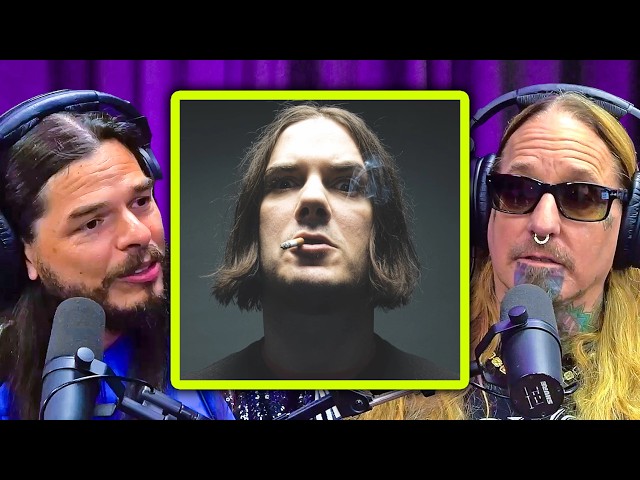
During a new interview conducted by Tomasz Michalski of Poland’s MetalSide, Dez Fafara, who is both the frontman and the creative mastermind behind the band DEVILDRIVER, shared his insights on this contentious topic. Fafara’s comments add a significant voice to the ongoing dialogue regarding the use of A.I. technologies in the artistic process of music creation.
Dez Fafara’s Argument Against A.I. in Music
The Lack of Human Emotion in A.I.
Dez Fafara firmly believes that despite the technological advancements that A.I. has brought about, there remains a fundamental flaw in its application to music production: the absence of genuine human emotion and heart. According to Fafara, a computer, no matter how advanced, cannot replicate the depth of emotion and the soul that human musicians infuse into their art.
The Importance of Human Creativity
Fafara emphasizes the irreplaceable value of human creativity in music. He argues that creativity is not merely a mechanistic process that can be distilled into algorithms, but rather a deeply personal and emotional expression that is unique to each individual artist. This intrinsic quality of human creativity, Fafara suggests, is something that A.I. cannot authentically mimic or reproduce.
The Broader Implications of A.I. in Art
Potential Impact on Musicians
The advent of A.I. in music raises broader questions about the future role of human musicians in an industry that increasingly relies on technology. Fafara’s stance highlights a concern shared by many artists: the potential devaluation of human musicianship as A.I. becomes more prevalent in creating music.
The Cultural Significance of Authenticity
Fafara’s critique of A.I. underscores a larger cultural conversation about authenticity in art. In an era where technology can produce music that is technically proficient, the debate centers around whether this music can hold the same cultural significance and emotional resonance as works created by human hands and hearts.
Conclusion
The Ongoing Dialogue
As the debate over the use of A.I. in music continues, voices like Dez Fafara’s bring important perspectives to the forefront. His assertion that “the computer doesn’t have f*ing heart” encapsulates a core argument that many musicians and listeners hold dear: the idea that true artistry is inherently human and cannot be fully replicated by machines.
The Future of Music Creation
Looking forward, the music industry is poised at a crossroads where the integration of A.I. and human creativity will continue to evolve. Whether A.I. will complement human musicians or challenge the essence of musical expression remains to be seen, but the conversation sparked by artists like Fafara is sure to influence the direction this evolution takes.