
Article written by Roger Casadejús Pérez
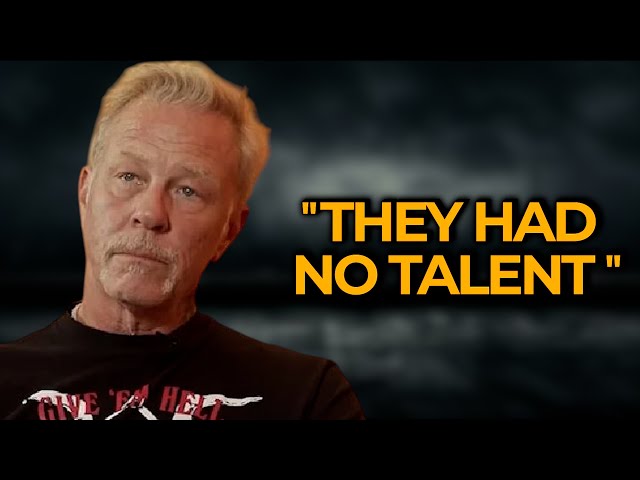
The Early Years: Formation and Fallout
Metallica’s Formation
Metallica was formed in 1981 by drummer Lars Ulrich and guitarist-vocalist James Hetfield. The band quickly became a powerhouse in the emerging thrash metal scene, known for their aggressive sound and tight musicianship. In 1982, they recruited Dave Mustaine as their lead guitarist, a decision that would significantly influence their early sound.
Dave Mustaine’s Contribution
Mustaine’s contribution to Metallica cannot be overstated. His aggressive playing and songwriting skills helped shape the band’s early music. He co-wrote several tracks that would later appear on Metallica’s debut album, “Kill ‘Em All,” including “The Four Horsemen” and “Jump in the Fire.” However, Mustaine’s tenure with the band was short-lived.
The Infamous Dismissal
In 1983, just before Metallica was set to record their debut album, tensions within the band reached a boiling point. Mustaine’s struggles with substance abuse and conflicts with other band members led to his dismissal. He was famously replaced by Kirk Hammett, a decision that left Mustaine bitter and determined to prove himself.
The Rise of Megadeth
Forming a Rival Band
Fueled by his dismissal, Mustaine founded Megadeth in 1983. His goal was to create a band that would rival Metallica in terms of speed and intensity. With bassist David Ellefson, guitarist Chris Poland, and drummer Gar Samuelson, Megadeth quickly established itself as a force in the metal world.
Megadeth’s Impact
Megadeth’s debut album, “Killing Is My Business… and Business Is Good!” released in 1985, received critical acclaim and established Mustaine as a formidable bandleader and musician. Over the years, Megadeth released several successful albums, including “Peace Sells… but Who’s Buying?” and “Rust in Peace,” solidifying their place in the “Big Four” of thrash metal alongside Metallica, Slayer, and Anthrax.
Decades of Tension and Rivalry
Musical Rivalry
The rivalry between Metallica and Megadeth became one of the most talked-about in the metal community. Both bands released groundbreaking albums throughout the 1980s and 1990s, often competing for the top spot in the metal hierarchy. Mustaine’s desire to outdo his former bandmates fueled much of Megadeth’s early work.
Personal and Public Spats
Over the years, Mustaine and members of Metallica engaged in a series of public spats. Interviews and statements often included jabs and criticisms, further intensifying the rivalry. However, despite the animosity, there was also a mutual respect for each other’s musical achievements.
Reconciliation and Collaboration
The Big Four Concerts
A significant turning point in Mustaine’s relationship with Metallica came with the “Big Four” concerts in 2010. These events, which featured Metallica, Megadeth, Slayer, and Anthrax sharing the stage, were seen as a celebration of thrash metal’s legacy. The concerts provided an opportunity for Mustaine and his former bandmates to reconnect and share a common stage.
Personal Healing
In recent years, both Mustaine and members of Metallica have expressed a desire to move past old grudges. Mustaine has acknowledged his growth as a person and musician, leading to more positive interactions with his former bandmates. Public appearances and interviews have shown a more collegial and friendly dynamic between the artists.
Current State of Affairs
Mustaine’s Recent Statements
In a recent interview, Dave Mustaine stated that his relationship with Metallica is “constantly improving.” He highlighted that time has allowed for personal growth and healing, enabling a more mature and respectful relationship. Mustaine expressed a willingness to continue fostering positive interactions and collaborations.
Metallica’s Perspective
Members of Metallica have also spoken positively about their evolving relationship with Mustaine. James Hetfield and Lars Ulrich have acknowledged Mustaine’s contributions to the band’s early success and have expressed appreciation for his talent and resilience. The current rapport suggests a mutual understanding and respect, transcending past grievances.
Conclusion
The relationship between Dave Mustaine and Metallica is a testament to the complexities of personal and professional dynamics in the music industry. From a tumultuous start to a more harmonious present, their journey highlights the potential for growth and reconciliation. As Mustaine and Metallica continue to build on their shared history, fans can look forward to a future where collaboration and mutual respect take center stage. As Mustaine himself has said, the relationship is “constantly improving,” a hopeful note for both artists and fans alike.