
Article written by Roger Casadejús Pérez
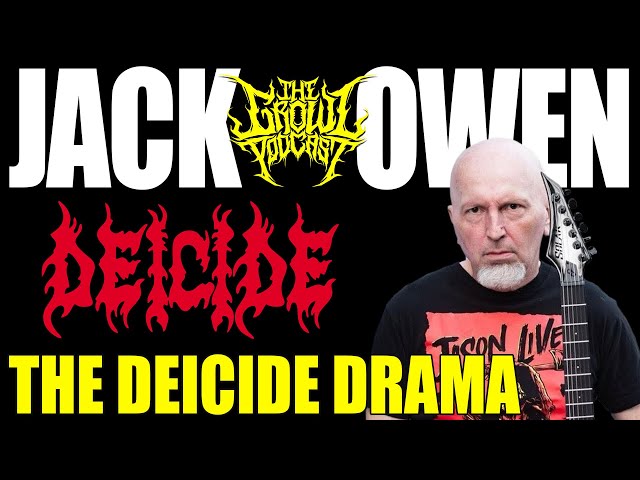
Background on Jack Owen and Glen Benton
Jack Owen: A Legacy in Metal
Jack Owen is a renowned guitarist whose career has significantly impacted the death metal genre. Known for his technical prowess and distinctive style, Owen first gained recognition as a founding member of Cannibal Corpse. His contributions to the band helped shape the sound of death metal in the late 80s and early 90s. After leaving Cannibal Corpse in 2004, Owen continued to leave his mark on the genre, joining Deicide in 2004 and contributing to their sound for over a decade.
Glen Benton: The Face of Deicide
Glen Benton, the charismatic and controversial frontman of Deicide, is known for his powerful vocals and provocative persona. As a founding member of Deicide, Benton has been instrumental in the band’s success, driving their aggressive sound and often courting controversy with his outspoken views. His leadership style and strong personality have been both a boon and a challenge for the band.
The Formation of Deicide and Owen’s Role
Deicide was formed in 1987 in Tampa, Florida, and quickly became a cornerstone of the death metal scene. The band’s original lineup included Glen Benton, drummer Steve Asheim, and guitarists Brian and Eric Hoffman. Over the years, Deicide’s lineup has seen several changes, with Jack Owen joining the band in 2004 as a pivotal member during a period of transition.
Owen’s entry into Deicide was marked by his reputation as an accomplished guitarist, bringing a new dimension to the band’s sound. His experience and musicianship were seen as assets that could help Deicide reach new heights, both creatively and commercially.
The Dynamics Between Owen and Benton
Creative Differences
One of the primary sources of tension between Owen and Benton was their differing creative visions. While both musicians shared a passion for death metal, their approaches to music creation and performance often clashed. Owen, known for his technical expertise and disciplined approach, sometimes found it challenging to align with Benton’s more provocative and spontaneous style.
Personality Clashes
Benton’s strong personality and leadership style were also points of contention. Known for his uncompromising nature, Benton often clashed with band members who had differing opinions. Owen, who valued collaboration and mutual respect, found it difficult to navigate the power dynamics within the band, leading to further strain in their relationship.
Challenges and Conflicts
On-stage Tensions
Performing live is a critical aspect of any musician’s career, and for Deicide, it was no different. However, the tension between Owen and Benton often spilled over onto the stage. Reports of on-stage arguments and disagreements became more frequent, affecting the band’s performance and morale.
Creative Control and Decision Making
The struggle for creative control within Deicide was another significant challenge. Benton’s dominant presence often left little room for other members to contribute significantly to the band’s direction. Owen, who was used to being a key creative force during his time with Cannibal Corpse, found this dynamic particularly stifling, leading to frustration and resentment.
The Breaking Point
The mounting tensions between Owen and Benton eventually reached a breaking point. The combination of creative differences, personality clashes, and on-stage tensions became untenable, leading Owen to make the difficult decision to leave Deicide in 2016. This decision was not made lightly, as Owen had invested over a decade of his life into the band, contributing to their sound and success.
Reflecting on his departure, Owen noted that the relationship with Benton had reached a point where it was clear that it “was just not gonna work.” The differences in their approach to music and band dynamics were insurmountable, and Owen felt it was in the best interest of both parties for him to move on.
Aftermath and Reflections
Owen’s Career Post-Deicide
After leaving Deicide, Jack Owen continued to pursue his passion for music. He joined Six Feet Under, another prominent death metal band, bringing his expertise and experience to their lineup. Owen’s career post-Deicide has been marked by continued success, as he continues to influence the genre with his distinctive guitar work.
Insights into Band Dynamics
Owen’s reflections on his time with Deicide offer valuable insights into the complexities of band dynamics. His experiences highlight the importance of communication, mutual respect, and creative collaboration in maintaining a healthy and productive band environment. Owen’s story serves as a reminder of the challenges that musicians often face in balancing personal relationships with their creative ambitions.
Conclusion
The relationship between Jack Owen and Glen Benton is a testament to the challenges that can arise within a band. Despite their shared passion for death metal, their differing personalities and creative visions ultimately led to a parting of ways. Owen’s reflections offer a glimpse into the intricate dynamics of band relationships, highlighting the importance of understanding and compromise in achieving long-term success.
As Jack Owen continues his musical journey, his experiences with Deicide remain an integral part of his legacy, shaping his approach to music and collaboration. His story is a reminder of the resilience and adaptability required to navigate the ever-evolving landscape of the music industry.