
Article written by Roger Casadejús Pérez
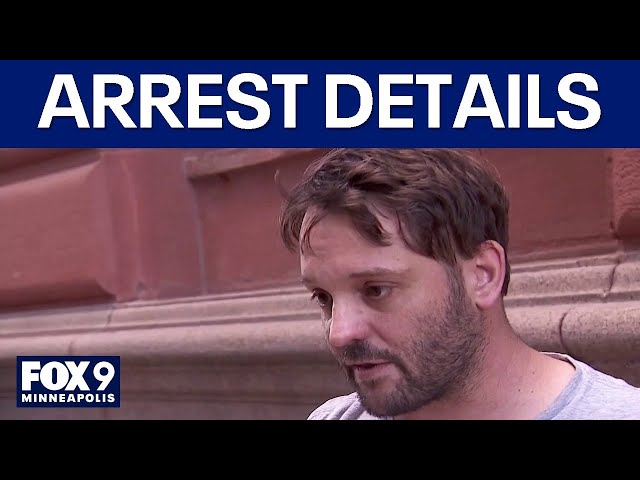
The Incident: What Happened?
The protest, which took place on a brisk October evening in front of the historic Hilton Minneapolis, was organized by a coalition of environmental and social justice groups. The focus was on raising awareness about a proposed pipeline project that activists claim would have devastating environmental impacts. The punk drummer, identified as Alex “Thundersticks” Johnson, was participating in the protest alongside hundreds of other demonstrators.
According to eyewitness accounts, the protest began peacefully with speeches, music, and chants. However, tensions escalated when demonstrators attempted to block the entrance to the hotel. The police were called to the scene to maintain order and manage the crowd. It was during this heightened moment that Johnson was arrested, allegedly for disorderly conduct and resisting arrest.
Punk Music and Activism: A Historical Perspective
Punk music has long been associated with political and social activism. Emerging in the 1970s, the punk movement was characterized by its rebellious spirit and DIY ethos. Punk bands often used their music to address issues such as inequality, consumerism, and governmental oppression. The Sex Pistols, The Clash, and Dead Kennedys are just a few examples of bands that incorporated activism into their music and public personas.
Over the decades, punk musicians have frequently found themselves at the forefront of social and political movements. Their music provides a powerful platform for expressing dissent and rallying support for various causes. Johnson’s participation in the Minnesota protest is a continuation of this tradition, underscoring the ongoing connection between punk music and activism.
The Role of Musicians in Modern Protests
In today’s digital age, the role of musicians in protests has evolved but remains significant. Social media platforms allow artists to reach vast audiences quickly, amplifying their messages far beyond the scope of traditional media. Musicians like Johnson not only bring attention to causes through their public presence but also inspire fans to engage in activism themselves.
However, the involvement of musicians in protests can be a double-edged sword. While they can elevate a cause, they also risk facing legal and professional consequences. Johnson’s arrest is a stark reminder of the potential risks associated with activism, particularly for public figures whose actions are closely scrutinized.
Legal Implications and Public Reaction
Following Johnson’s arrest, there has been considerable public reaction, both supportive and critical. Supporters argue that his actions were a legitimate exercise of free speech and civil disobedience, while critics contend that his behavior crossed a line, warranting legal action.
Legal experts suggest that Johnson’s case could become a focal point in discussions about the rights of protesters and the responsibilities of law enforcement. If convicted, Johnson may face fines, community service, or even jail time, depending on the charges and legal proceedings.
The music community has largely rallied around Johnson, with fellow musicians and bands expressing solidarity and calling for his release. This incident has sparked renewed discussions about the role of music and musicians in advocating for social change.
Conclusion
The arrest of punk drummer Alex Johnson at a Minnesota protest highlights the complex interplay between music, activism, and law enforcement. While the incident underscores the potential consequences of activism for musicians, it also reaffirms the enduring power of music as a tool for social change.
As the legal proceedings unfold, the music and activist communities will undoubtedly continue to follow Johnson’s case closely. Regardless of the outcome, this incident has already contributed to the ongoing dialogue about the role of artists in society and the impact of their engagement in political and social movements.