
Article written by Roger Casadejús Pérez
The Song in Question
Among the tracks that defined Tool’s early sound, there is one that Keenan has recently critiqued. The song in question is “Sober,” the band’s first major hit from their debut album Undertow. “Sober” was a breakthrough for Tool, earning them widespread recognition and radio play. Its dark, brooding atmosphere and introspective lyrics resonated with listeners, establishing the band’s reputation for thought-provoking music.
Lyrics and Themes
“Sober” explores themes of addiction and self-destruction, subjects that resonate with many who have faced personal struggles. The song’s refrain, “Why can’t we not be sober?” captures a sense of longing and frustration, emotions that are further amplified by Keenan’s haunting vocal delivery. At the time of its release, “Sober” was lauded for its raw honesty and emotional depth, qualities that contributed to its lasting impact.
Maynard’s Perspective
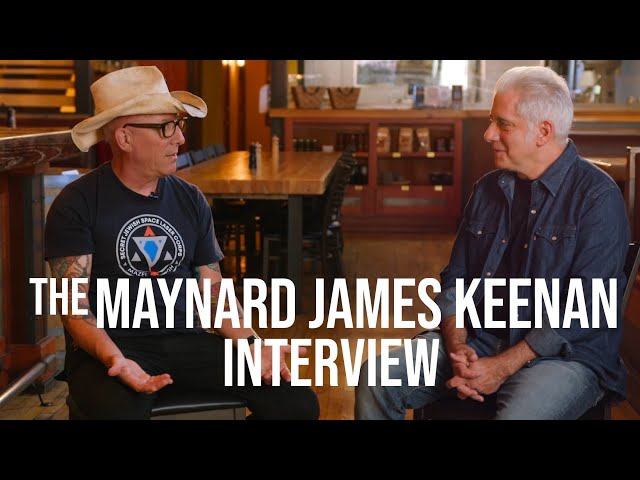
Despite the song’s success and enduring popularity, Keenan has expressed a change in perspective. In recent interviews, he has described “Sober” as “stupid,” a descriptor that might seem surprising given the song’s significance in Tool’s discography. To understand this shift, it’s essential to consider Keenan’s personal and artistic evolution over the past decades.
The Evolution of Maynard James Keenan
Over the years, Keenan has demonstrated an unwavering commitment to artistic growth and exploration. Beyond Tool, he has pursued various musical projects, including A Perfect Circle and Puscifer, each showcasing different facets of his creativity. Keenan’s evolution as an artist is characterized by an openness to change, a willingness to challenge conventions, and a desire to continually push the boundaries of his work.
Reflections on the Past
As artists mature, their perspectives naturally evolve. What once seemed profound or essential might later appear simplistic or naïve. For Keenan, his critique of “Sober” likely reflects a broader understanding of his artistic journey. The song, while pivotal in Tool’s early success, may no longer align with his current artistic vision or philosophical beliefs. Keenan’s willingness to reassess his past work demonstrates a commitment to authenticity and growth.
Tools of Change: Musical and Lyrical Growth
Tool’s music has evolved significantly since their ’90s debut. Subsequent albums, such as Ænima (1996) and Lateralus (2001), showcased a progression towards more complex compositions and abstract themes. Keenan’s lyrics have shifted from personal introspection to broader existential and philosophical inquiries. This evolution reflects a band that is not content to rest on past achievements but is instead driven by a desire for continuous innovation and depth.
The Impact of Time and Context
Time can alter the way songs are perceived, both by artists and audiences. A song that once captured a specific moment or emotion may later feel disconnected from current realities. For Keenan, “Sober” may represent a phase of his life and career that he has since transcended. As an artist, his growth and changing perspectives are integral to understanding his critique of the song.
Audience Perception
While Keenan may view “Sober” differently now, it’s essential to recognize the song’s lasting impact on audiences. Many fans continue to find solace and meaning in its lyrics, which resonate with their own experiences and struggles. The song’s enduring popularity is a testament to its ability to connect with listeners on a personal level, regardless of Keenan’s current perspective.
Conclusion
Maynard James Keenan’s critique of “Sober” as “stupid” offers a fascinating insight into the evolving nature of art and the artist. While the song played a crucial role in Tool’s early success, Keenan’s perspective reflects his growth and commitment to authenticity. As both an artist and an individual, Keenan continues to push boundaries, challenge assumptions, and embrace change. Whether or not one agrees with his assessment, his willingness to critique his past work is a testament to his dedication to artistic integrity and evolution.
Ultimately, the story of “Sober” and Keenan’s changing perspective underscores the dynamic nature of music and its power to evolve with both the artist and the audience. As Tool continues to create and inspire, their legacy remains one of innovation, introspection, and a relentless pursuit of artistic truth.