
Article written by Roger Casadejús Pérez
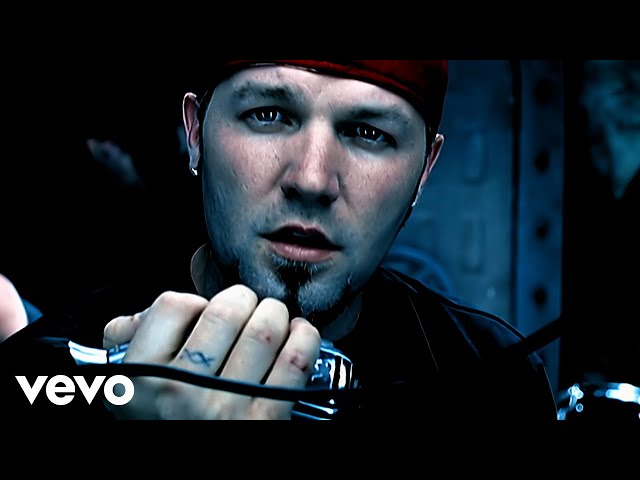
The Emergence of the Folk Cover
Fast forward to the present day, where the music landscape is more diverse and genre-fluid than ever. The folk cover of “Re-Arranged” emerged from the creative mind of an independent artist deeply rooted in the folk tradition yet keen on exploring new sonic territories. This cover is part of a broader trend where musicians from various genres are reinterpreting iconic tracks, breathing new life into them and introducing them to different audiences.
The Artist Behind the Cover
The artist, whose identity we’ll refer to as “Folk Innovator” for this discussion, comes from a background rich in acoustic instrumentation and storytelling. With a penchant for blending traditional folk elements with contemporary influences, Folk Innovator saw in “Re-Arranged” a canvas ripe for reinterpretation, allowing the song’s emotive core to shine through a different musical lens.
Dissecting the Folk Interpretation
The transformation of “Re-Arranged” from nu-metal to folk is not merely a change in instrumentation but a complete reimagining of its sonic and emotional landscape. Here, we dissect the key components that contribute to this transformation:
Instrumentation
At the heart of the folk cover is a warm, acoustic arrangement that replaces the electric guitars and heavy percussion of the original with gentle strumming and intricate fingerpicking on acoustic guitars. This shift not only softens the song’s overall sound but also brings a new warmth and intimacy, allowing listeners to focus on the lyrics and their emotional depth.
Additional folk elements, such as the inclusion of a banjo, fiddle, and subtle percussion, further enrich the arrangement. These instruments, staples of the folk genre, add layers of texture and complexity to the cover, creating a lush soundscape that contrasts with the original’s raw energy.
Vocal Delivery
Folk Innovator’s vocal performance is a key element in redefining “Re-Arranged”. The delivery is marked by a gentle, contemplative tone, emphasizing the introspective nature of the lyrics. Where Fred Durst’s original vocals conveyed anger and defiance, the folk rendition imbues them with a sense of yearning and reflection, offering a new perspective on the song’s themes.
Emotional Core
Despite the differences in genre and delivery, the folk cover retains the emotional core of “Re-Arranged”. The themes of disillusionment and seeking solace are universal, and the folk version effectively captures these emotions through its serene and contemplative arrangement. This ability to preserve the song’s essence while presenting it in a new light is a testament to the skill and sensitivity of Folk Innovator’s approach.
Cultural Impact and Reception
The folk cover of “Re-Arranged” has garnered attention not only for its musical qualities but also for its cultural significance. In an era where genre boundaries are increasingly blurred, such reinterpretations exemplify the fluidity of music and its capacity to connect with diverse audiences. This cover has sparked discussions about the versatility of nu-metal songs and their potential to resonate across different musical landscapes.
Audience Response
Listeners from both the folk and nu-metal communities have responded positively to the cover, praising its innovative approach and emotional depth. For fans of Limp Bizkit, this rendition offers a fresh perspective on a beloved track, allowing them to appreciate its lyrical and melodic nuances in a new context. Meanwhile, folk enthusiasts have embraced the cover for its authentic instrumentation and heartfelt delivery, recognizing it as a testament to the genre’s adaptability.
Broader Implications
The success of this folk cover speaks to a broader trend in the music industry, where artists are increasingly crossing genre boundaries to create hybrid sounds. This trend not only expands the creative possibilities for musicians but also enriches the listening experience for audiences, introducing them to new styles and interpretations.
The Art of Musical Transformation
The folk cover of “Re-Arranged” is a prime example of the art of musical transformation, where an artist takes an existing composition and reimagines it through a different lens. This process involves a deep understanding of both the original work and the new genre, allowing the artist to preserve the song’s essence while infusing it with fresh elements.
Such transformations are a testament to the universal appeal of music and its ability to transcend cultural and stylistic boundaries. They highlight the importance of innovation and creativity in keeping music alive and relevant, ensuring that songs continue to resonate with audiences across generations.
Conclusion
In conclusion, the folk cover of Limp Bizkit’s “Re-Arranged” stands as a remarkable example of how music can evolve and adapt while preserving its core message. Through careful reinterpretation, Folk Innovator has crafted a cover that both honors the original and offers a fresh perspective, making it accessible to a broader audience.
As music continues to evolve, such covers will undoubtedly play a crucial role in bridging genres and connecting diverse musical communities. They remind us of the boundless possibilities inherent in the art of music and the power of creativity to transform and inspire.
Ultimately, this folk rendition of “Re-Arranged” not only kind of rules—it reaffirms the enduring impact of music and its ability to connect with listeners in profound and unexpected ways.