
Article written by Roger Casadejús Pérez
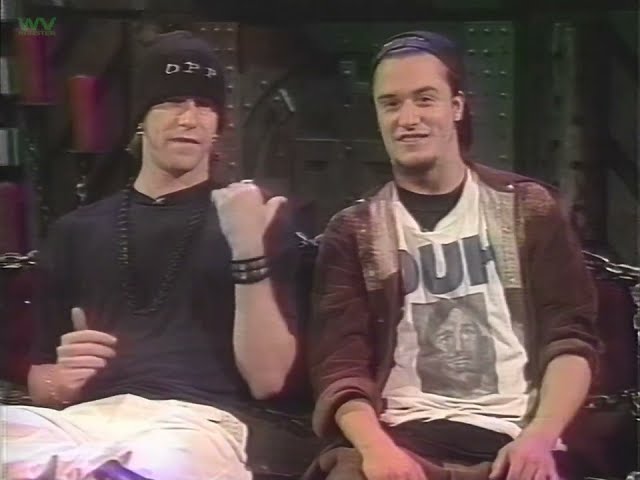
Background of the 1992 Tour
The 1992 tour was a co-headlining effort between Guns N’ Roses and Metallica, two of the biggest rock bands at the time. The tour was launched in support of Guns N’ Roses’ “Use Your Illusion I & II” and Metallica’s self-titled album, commonly known as “The Black Album.” Faith No More was chosen as the opening act for the tour, bringing their unique blend of alternative metal and experimental rock to the mix.
The tour kicked off on July 17, 1992, in Washington, D.C., and spanned several months, covering major cities across North America. It was billed as one of the most extensive and high-profile tours of the era, drawing massive crowds and generating significant media attention.
Roddy Bottum’s Perspective
The “Offensive” Element
Roddy Bottum, known for his candidness and outspoken nature, has not shied away from sharing his thoughts on the 1992 tour. In various interviews, Bottum has described the experience as “offensive,” citing the toxic environment and the clash of ideologies between the bands as contributing factors.
Bottum, who identifies as gay, has expressed discomfort with the hyper-masculine and often homophobic attitudes prevalent during the tour. In a 2014 interview, he remarked, “It was a really fucked-up time. The music was great, but the attitude and atmosphere were really offensive. It was really hard to be around that kind of thing.”
Challenges Faced by Faith No More
Being the opening act, Faith No More faced several challenges during the tour. The band had to contend with the pressure of performing in front of massive audiences who were primarily there to see the headliners. Additionally, the contrasting musical styles and fan bases often resulted in a lukewarm reception for Faith No More.
The band’s experimental sound, which included elements of funk, punk, and progressive rock, sometimes clashed with the more straightforward hard rock and metal approach of Guns N’ Roses and Metallica. This mismatch occasionally led to tensions both on and off the stage.
Controversies During the Tour
The Montreal Incident
One of the most infamous incidents of the tour occurred on August 8, 1992, in Montreal. During Metallica’s set, frontman James Hetfield suffered severe burns from a pyrotechnic accident, forcing the band to cut their performance short. The abrupt end to Metallica’s set left the audience disgruntled.
Guns N’ Roses was expected to salvage the night, but their performance was delayed, and when they finally took the stage, Axl Rose’s vocal issues led to a shortened set. The frustrated crowd rioted, causing significant damage to the venue and surrounding areas. The incident made headlines and highlighted the volatility of the tour.
Interpersonal Dynamics
The interpersonal dynamics between the bands were another source of controversy. There were reports of clashes and disagreements between the members of Guns N’ Roses and Metallica, often fueled by differing lifestyles and personalities. These tensions occasionally spilled over into the public eye, adding to the already chaotic atmosphere of the tour.
Faith No More, caught in the middle, often found themselves at odds with the larger-than-life personas of their tour mates. Bottum, in particular, felt alienated by the machismo and excess that characterized much of the tour’s backstage environment.
Legacy and Impact
The 1992 tour remains a significant chapter in the history of rock and metal music. Despite the controversies and challenges, it showcased some of the era’s most prominent bands at the peak of their powers. However, for Faith No More, the tour was a double-edged sword. While it provided them with unparalleled exposure, it also underscored the difficulties of staying true to their artistic vision in a commercialized and often hostile environment.
Roddy Bottum’s reflections on the tour have contributed to a broader conversation about the music industry’s culture and the pressures faced by artists who do not conform to mainstream expectations. His willingness to speak openly about his experiences has shed light on the challenges of navigating a predominantly heteronormative and male-dominated industry.
Conclusion
Faith No More’s 1992 tour with Guns N’ Roses and Metallica was a landmark event that left a lasting imprint on all involved. For Roddy Bottum, the tour was a reminder of the complexities and contradictions inherent in the music business. His candid assessment of the tour as “offensive” highlights the need for inclusivity and respect within the industry, underscoring the importance of creating spaces where diverse voices can be heard and valued.
As the music world continues to evolve, the lessons from that tour resonate with new generations of artists and fans alike, serving as a potent reminder of the power of music to both challenge and reflect societal norms.